

45 OSU Faculty are Promoted to Professor
As Oregon's land grant university, Oregon State University is committed to educating, both on and off-campus, the citizens of Oregon, the nation, and the international community, and in expanding and applying knowledge. Candidates for promotion are evaluated objectively for evidence of distinction in their performance of assigned duties and in their scholarship or creative activity. The excellence of our faculty is paramount and we are very proud of the faculty recently promoted to the rank of professor.

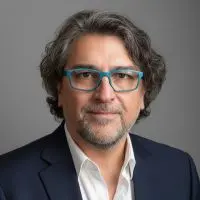
Ivan Arismendi Professor | Fisheries, Wildlife, and Conservation Sciences
Dr. Arismendi earned his B.S. in Fisheries Engineering and Ph.D. in Forest Sciences from Universidad Austral de Chile. Growing up in southern Chile, he developed an interest in aquatic ecology after observing trout and salmon invading his home waters. His research advances freshwater ecology and conservation across invasion biology, applied ecology in working lands, and global biodiversity. He has published >130 peer-reviewed articles and received major honors, including the CAS Savery Outstanding Young Faculty Award and the American Fisheries Society Emmeline Moore Prize. His lab brings together diverse members, and he identifies as a scientist dedicated to broadening STEM participation.
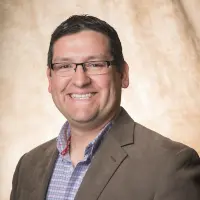
Sergio Arispe Professor | Animal and Rangeland Sciences
Dr. Sergio Arispe serves as the Livestock and Rangeland Field Faculty in Malheur County for Oregon State University’s Extension Service. He leads integrated extension and applied research programs that support cattle production systems, forage production, and sustainable use of functionally healthy rangelands. His county-based appointment allows him to address locally-identified needs—such as wildfire recovery, rangeland health, and agricultural workforce development—through accessible, science-based, non-credit education. Dr. Arispe has secured over $1.8 million in funding, authored numerous peer-reviewed and Extension publications, and delivered over 170 invited and organized presentations. His programs have demonstrated impact across local, state, regional, national, and international scales—including collaborations with institutions in Spain and South Korea, and invitations to present across the US. He exemplifies the land-grant mission by connecting OSU’s research capacity with rural communities, advancing resilient working landscapes, and expanding non-credit educational access to all Oregonians—in English and Spanish. His work continues to transform challenges into opportunities for the people and lands of Malheur County and beyond.
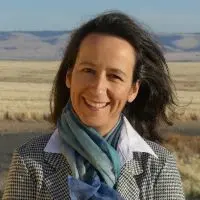
Judit Barroso Professor | Crop and Soil Science
Judit Barroso is an Agronomist Engineer by the Polytechnic University of Madrid (Spain), where she also obtained her PhD in Weed Ecology in 2004. Since then, she has conducted research on weed ecology and management in dryland cropping systems of semi-arid regions, including central Spain, the U.S. Great Plains, and the inland Pacific Northwest. Her current research and extension program focuses on integrated weed management (including chemical, mechanical, and cultural control practices), spot spraying with brown-on-green precision sprayers, the ecology of major problematic weeds, and herbicide resistance management. Dr. Barroso has authored more than 80 peer-reviewed scientific articles and over 130 extension publications, making substantial contributions to the adoption of best management practices that improve weed control, support environmental stewardship, and promote the long-term sustainability of wheat cropping systems.
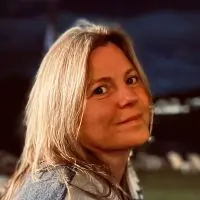
Kelly Biedenweg Professor | Fisheries, Wildlife, and Conservation Sciences
Dr. Kelly Biedenweg is a Professor of Human Dimensions in the FWCS department. She studies natural resource decision making and human wellbeing and conservation in the Pacific Northwest and South America. She teaches three undergraduate courses: Communication Skills for Natural Resource Managers, Power and Justice in American Environmentalism, and Consensus for Natural Resources in Chile. She also teaches a grad course in Psychology of Environmental Decisions. Dr. Biedenweg received a B.S. in marine biology, a M.S. in Conservation Biology and a PhD in Forest Resources and Conservation.
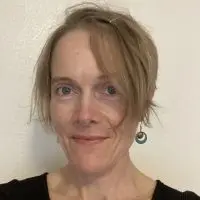
Lauren Gwin Professor | Crop and Soil Science
Dr. Lauren Gwin is the Extension statewide specialist in Community Food Systems, directs the Center for Resilient Agriculture & Food Systems in the College of Agricultural Sciences, and is a Professor in the Crop and Soil Science Department. She leads a statewide team of OSU faculty and external partners focused on agriculture and food systems that support ecological health, social well-being, vibrant communities, and regional vitality. Her extension, engagement, and scholarship have benefited many businesses, nonprofit organizations, and communities, both directly and by shaping state and federal policy and practice.
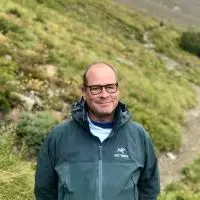
Andrew Jones Professor | Botany and Plant Pathology
Andy Jones is a Professor in the Department of Botany and Plant Pathology at Oregon State University and a Research Associate at the Smithsonian Tropical Research Institute. His research integrates plant ecology and ecological genomics to understand how ecological and evolutionary processes shape forest biodiversity across tropical and temperate ecosystems. He and his students and collaborators conduct research on plant–pollinator interactions, eco-evolutionary genetics of temperate and tropical trees, and the roles of microbes in plant community dynamics. At Oregon State, Jones teaches undergraduate and graduate courses in plant ecology.
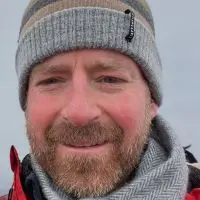
Jared LeBoldus Professor | Botany and Plant Pathology
Dr. Jared M. LeBoldus is a Professor of Forest Pathology at Oregon State University, jointly appointed in the Department of Botany and Plant Pathology and the Department of Forest Engineering, Resources and Management. His research focuses on the genomic interactions between forest trees and fungal pathogens, with an emphasis on understanding host-parasite dynamics and scaling these insights to landscape-level patterns of biotic disturbance. Dr. LeBoldus utilizes molecular and computational tools to investigate virulence mechanisms, innate immunity, and stress responses in tree species such as Populus. He earned his B.Sc. in Forest Science from the University of British Columbia and completed both his M.Sc. and Ph.D. in Forest Biology and Management at the University of Alberta. Since joining OSU in 2015, he has led a dynamic research program and mentored students in forest pathology and plant genomics.
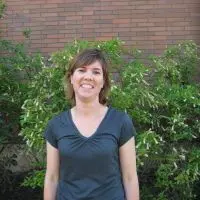
Amber Moore Professor | Crop and Soil Science
Dr. Amber Moore is an Extension Soil Fertility Specialist with the Crop and Soil Science Department at Oregon State University, and she has been with OSU since 2017. She has also served in the role of Associate Department Head for CSS since 2021. Dr. Moore’s current Extension and research programs are focused on potato soil health, alfalfa nutrition, lime management, dairy manure, and OSU soil testing methods. Dr. Moore’s career achievements include the Agronomic Soil Testing for Oregon online PACE course, publication of 42 research and 23 Extension articles, and raising $3,115,773 to support her program’s efforts.
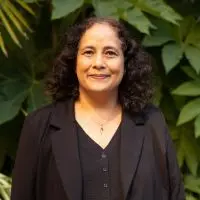
Sushma Naithani Professor, Senior Research | Botany and Plant Pathology
Dr. Sushma Naithani has an M.S. in Biotechnology (M. S. University of Baroda, India) and a Ph.D. in Botany (University of Lucknow, India). She Joined as a Postdoc at Iowa State University in 1998 and then worked at Cornell University, as a Postdoc and Lecturer (1999-2008). Joined OSU in 2008 as Assistant Professor Senior Research, promoted in 2020 to Associate Professor Senior Research. Her research focuses on Plant Genomics and Bioinformatics. Naithani is the Lead Biocurator for the Plant Reactome pathway knowledgebase. In addition, she contributes to the development of Data standards, gene and genome annotations, and FAIR policy. She serves as a Steering Committee member of AgBioData consortium, a member of NASA GeneLab Analysis Working Group. Previously served as the Elected Executive Member of the International Society for Biocuration.
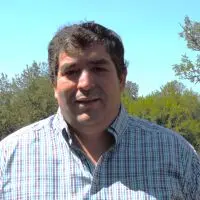
Carlos Ochoa Professor | Animal and Rangeland Sciences
Carlos Ochoa is an Associate Professsor in the Department of Animal and Rangeland Scienceser at Oregon State University (OSU). He teaches and mentors students in various academic programs at OSU, Rangeland Ecology and Management, Water Resources Science, and Environmental Sciences. His research experience encompasses over 20 years working in a variety of land use-environment relationships in several climate-representative regions. His research focuses on soil, plant, and water relationships and land management (e.g., irrigation, grazing, restoration) effects on the overall ecosystem function. He has substantial experience developing long-term, watershed-scale research projects that involve coordination with multiple stakeholders. His research and teaching interests include ecology and hydrology of rangelands and cultivated ecosystems, water, carbon, and energy fluxes, surface water-groundwater interactions and aquifer recharge, water quality, socioecological systems, and watershed and riparian systems management. Carlos received his Ph.D. in Range Science (hydrology) and his MS in Agricultural Economics (range economics) from New Mexico State University. He obtained his BS in Animal and Range Sciences from the Universidad Autónoma de Chihuahua in Mexico.
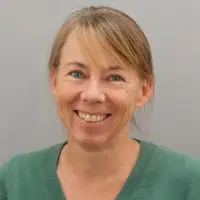
Kate Stafford Professor | Fisheries, Wildlife, and Conservation Sciences/MMI
Dr. Kate Stafford is part of the Marine Mammal Institute and the Department of Fisheries, Wildlife and Conservation Sciences at Oregon State University. Dr. Stafford’s research focuses on using passive acoustic monitoring to examine migratory movements, geographic variation and physical drivers of marine mammals, particularly large whales. She collaborates with researchers around the world to study underwater soundscapes. Her lab’s current research focuses on the changing environment of the Arctic and how climate-driven changes, from sea ice declines to increasing industrial human use, is altering the acoustic environment, phenology and health of subarctic and Arctic marine mammals.
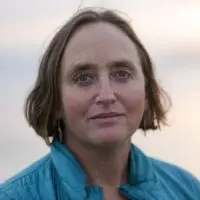
Leigh Torres Professor | Fisheries, Wildlife, and Conservation Sciences/MMI
Leigh Torres is a marine ecologist interested in understanding how marine animals, including marine mammals and seabirds, use their environment in the context of behavior, space and time. Leigh’s research explores where marine predators go, how these patterns vary relative to ocean conditions, what behaviors are used, and how these patterns influence animal health and population dynamics. Much of this work is directed toward improving conservation management of protected or threatened species by working with partners to identify and fill knowledge gaps. Leigh also integrates STEM learning opportunities into research projects to train and empower the next generation of scientists.

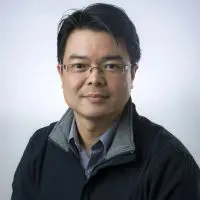
Yusoon Kim Professor | Management, Entrepreneurship, and Supply Chain
Dr. Yusoon Kim earned a Ph.D. in Business Administration (with specialization in supply chain management) from W. P. Carey School of Business at Arizona State University. He also has academic backgrounds (Master’s) in engineering (mechanical and industrial) from the University of Michigan, Ann Arbor. His research focuses on examining real-world supply chain management practices and strategies from network science and complexity theory perspectives. His work has been published in leading academic journals in operations, supply chain, and general management areas. Currently, he serves as an Associate Editor for the Journal of Operations Management. At OSU, Dr. Kim has taught operations and supply chain strategies and logistics management courses at both undergraduate and graduate levels.

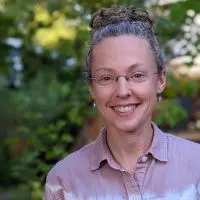
Jessica Creveling Professor | Earth, Ocean, and Atmospheric Sciences
Jessica “JC” Creveling is a computationally savvy field geologist eager to research and teach about how wonderous events in earth’s history are chronicled in earth’s sedimentary record. Her group explores the magnitude and speed limit of sea-level change due to polar ice sheet growth and melt during Earth’s past glaciations; they also develop computational tools for interleaving chemical proxy records in marine sedimentary layers, which serve as the basis for the temporal correlation of geological events across the (paleo)globe. She is a Fellow of the Geological Society of America and the American Geophysical Union.
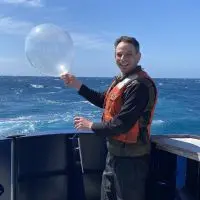
Larry O’Neill Professor | Earth, Ocean, and Atmospheric Sciences
Larry O’Neill is a research scientist in atmospheric science and physical oceanography at OSU. As Director of the Oregon Climate Service and the State Climatologist of Oregon, he leads climate monitoring, assessment, outreach, research, and stakeholder engagement to support climate and weather-informed decision-making across Oregon and the Pacific Northwest. His research program focuses on air–sea interactions and their influence on weather and climate variability, integrating satellite observations, in situ measurements, and numerical models. He also studies the hydroclimate of the western United States, including drought, predictability, and extreme events.
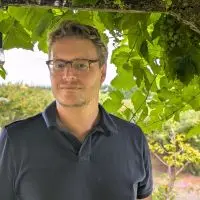
Jamon Van Den Hoek Professor | Earth, Ocean, and Atmospheric Sciences
Dr. Jamon Van Den Hoek joined OSU in 2015 and leads Conflict Ecology. He uses satellite imagery and geospatial analysis to assess the environmental impacts of armed conflict and climate risks faced by displaced populations worldwide. Working with humanitarian agencies, journalists, and the award-winning Decentralized Damage Mapping Group, he brings analytical rigor and visibility to overlooked crises. Van Den Hoek teaches Earth observation and critical geospatial science and advises students from undergraduate to doctoral levels. Previously, he was a NASA Postdoctoral Fellow at NASA Goddard Space Flight Center and earned his PhD in Geography from the University of Wisconsin–Madison.
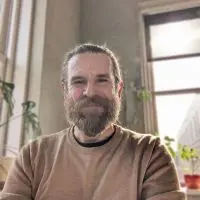
David Wrathall Professor | Earth, Ocean, and Atmospheric Sciences
David Wrathall is a professor in the College of Earth, Ocean and Atmospheric Sciences, where he studies the implications of climate change for extremely vulnerable people, an expert on migration and other forms of mobility that people use to adapt to climate impacts. He was a Lead Author for the Intergovernmental Panel on Climate Change’s Sixth Assessment on the chapter Poverty, Livelihoods and Sustainable Development (2022), AKA the Climate Justice Chapter. David pleads the case of climate justice to undergraduate students, and researches pathways for systems transformations addressing the root causes of Earth’s polycrisis.

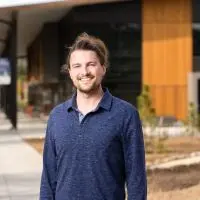
Ryan Reese Professor | Counseling and Adult & Higher Education, OSU-Cascades
Ryan Reese is a counselor educator, licensed professional counselor, and internationally recognized counseling scholar whose work bridges environmental and mental health. His research on EcoWellness and the human-nature relationship has helped inform emerging models of climate-informed counseling and supervision. At OSU-Cascades, he teaches across core and clinical courses within the Master of Counseling program, drawing from integrative and experiential approaches. His publications include peer-reviewed articles and a recent solo-authored book, advancing wellness-oriented, ecologically grounded practices in the counseling profession.
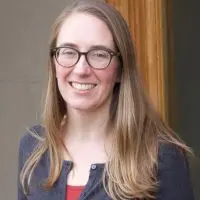
Karen Thompson Professor | Educational Practice and Research
Karen D. Thompson is a Professor in the College of Education at Oregon State University. She partners with education agencies to analyze opportunities and outcomes for multilingual students in K-12 schools. Her work has been funded by the Institute of Education Sciences, the Office of English Language Acquisition, and the Spencer Foundation. She was awarded the Presidential Early Career Award for Scientists and Engineers. Her scholarship has been published in venues such as Educational Researcher and the American Educational Research Journal. Prior to entering academia, she was a bilingual elementary school teacher.


Rakesh Bobba Professor | Electrical Engineering and Computer Science
Dr. Bobba’s research interests are in the design of secure and trustworthy networked and distributed computer systems, with a current focus on critical infrastructures, cyber-physical and real-time systems, and enterprise security. He co-founded and co-leads ORTSOC – the nation’s first cybersecurity teaching hospital. He is also a founding Associate Director of the Oregon Cybersecurity Center of Excellence established by the state legislature. He was recognized with the Kearney Faculty Scholarship (2019-2021) and the Strategic Partnering Award (2025) by the College of Engineering. He holds M.S. and Ph.D. degrees in Electrical and Computer Engineering from the University of Maryland at College Park.
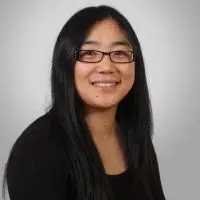
Xiaoli Fern Professor | Electrical Engineering and Computer Science
Dr. Xiaoli Fern, a faculty member in the School of Electrical Engineering and Computer Science at Oregon State University. She received her Ph.D. in Computer Engineering from Purdue University and her M.S. and B.S. degrees from Shanghai Jiao Tong University. Her research focuses on developing machine learning methods for complex real-world science, with an emphasis on enabling generalization and insight from messy, fragmented scientific data. Her cross-disciplinary research contributions were recognized with the College of Engineering Research Collaboration Award in 2025. She served as Track Chair for the AI for Social Impact track at the Association for the Advancement of Artificial Intelligence.
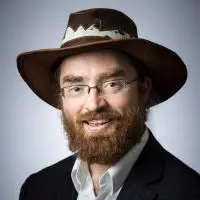
Ross Hatton Professor | Mechanical, Industrial, and Manufacturing Engineering
Ross Hatton directs the Laboratory for Robotics and Applied Mechanics at Oregon State University. He received PhD and MS degrees in Mechanical Engineering from Carnegie Mellon University, following an BS in the same from Massachusetts Institute of Technology. His research focuses on understanding the fundamental mechanics of locomotion and sensory perception, making advances in mathematical theory accessible to an engineering audience, and on finding abstractions that facilitate human control of unconventional locomotors. Ross and his research group are also the creators of the SpiderHarp, an acousto-electronic musical performance instrument.
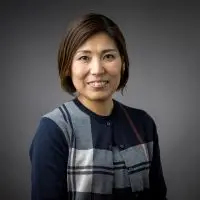
Megumi Kawasaki Professor | Mechanical, Industrial, and Manufacturing Engineering
Dr. Megumi Kawasaki is originally from Japan, received her Ph.D. in Materials Science from University of Southern California, began her early academic career at Hanyang University in South Korea, and joined OSU in 2017. Her research focuses on the processing of bulk nanostructured metals using severe plastic deformation (SPD). She specializes in understanding microstructural evolution and mechanical behavior of nanostructured materials under extreme environments, employing advanced micromechanical testing and state-of-the-art diffraction methods. A recognized leader in the field, she serves on the Board of the International NanoSPD Steering Committee and is Editor-in-Chief of Journal of Materials Science: Metallurgy.
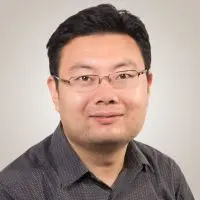
Fuxin Li Professor | Electrical Engineering and Computer Science
Fuxin Li has held research positions at Apple Inc., University of Bonn and Georgia Institute of Technology. He obtained his Ph.D. degree from Institute of Automation, Chinese Academy of Sciences in 2009. He won an NSF CAREER award, CVPR 2024 Best Student Paper runner-up award, an Amazon Research Award and won the PASCAL VOC semantic segmentation challenges from 2009-2012. He was a program chair of CVPR 2025. He published more than 90 papers mostly in computer vision and machine learning. His main research interests are point cloud deep networks, human understanding of deep learning and uncertainty estimation in deep learning.
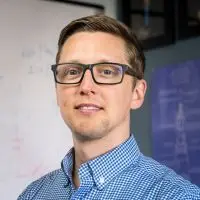
Kyle Niemeyer Professor | Mechanical, Industrial, and Manufacturing Engineering
Dr. Kyle Niemeyer joined OSU in 2013. His research group develops numerical methods and computational strategies to simulate problems in energy and the environment, focusing on reacting and non-reacting fluid flows and parallel computing. He’s also a firm advocate for open science practices. Applications range from combustion for cleaner transportation, to ocean turbulence, smoldering combustion in wildfire modeling, and radiation transport. He received his Ph.D. in Mechanical Engineering from Case Western Reserve University. He previously served as an AAAS Science & Technology Policy Fellow at the U.S. Department of Energy and currently serves as Associate School Head for Academic Affairs in the School of Mechanical, Industrial, and Manufacturing Engineering.
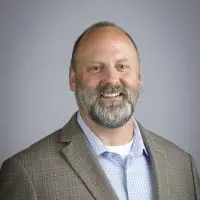
Steve Reese Professor | Nuclear Science and Engineering
Dr. Steve Reese serves as the Director for the Oregon State University Radiation Center as well as Professor in the School of Nuclear Science and Engineering. His research areas of interest usually revolve around use of the Oregon State TRIGA Reactor. These interests include applications of neutron radiography and tomography, the use of machine learning applications to advance gamma spectroscopy, and reactor dosimetry.
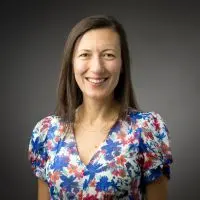
Yelda Turkan Professor | Civil and Construction Engineering
Dr. Turkan is a Professor in the School of Civil and Construction Engineering at Oregon State University. Her research focuses on digital twins, artificial intelligence, and sensing technologies to support infrastructure monitoring, decision-making, and circular economy practices in the built environment. She has secured over $4.5 million in competitive research funding and authored more than 80 peer-reviewed publications. Dr. Turkan is the recipient of the prestigious Hans Fischer Fellowship from the Technical University of Munich and leads internationally recognized research collaborations in Europe and the United States. Her work has been disseminated through over 35 invited and keynote talks at leading academic and professional venues worldwide.

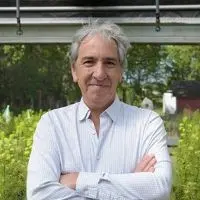
Carlos Gonzalez-Benecke Professor | Forest Engineering, Resources and Management
Carlos Gonzalez-Benecke is a Professor in the Department of Forest Engineering, Resources & Management at Oregon State University and serves as Director of the Vegetation Management Research Cooperative (VMRC). His research focuses on reforestation, silviculture, forest ecophysiology, and modeling, with particular emphasis on intensive silvicultural management, vegetation management effects on planted forests, and the environmental sustainability of forest management practices. Dr. Gonzalez-Benecke earned his PhD in Forest Resources and Conservation from the University of Florida and holds a BA in Forest Engineering and a Diploma in Industrial Engineering from universities in Chile. He serves as a Graduate Major Advisor and actively mentors graduate students while leading interdisciplinary research that integrates field experiments and process-based modeling to improve forest management under changing environmental conditions.
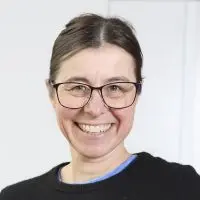
Meg Krawchuk Professor | Forest Ecosystems and Society
Dr. Meg Krawchuk is a Professor of Landscape Fire and Conservation Science and a Fischer Family Faculty Fellow in the Department of Forest Ecosystems. Dr. Krawchuk completed her Ph.D. in Conservation Biology at the University of Alberta in 2007 and held a Postdoctoral Research Fellowship at the University of California, Berkeley from 2007–2011. Her research focuses on landscape ecology, fire ecology, conservation biogeography, and pyrogeography, examining the ecological and social dimensions of fire across local to global scales. She leads the Landscape Fire and Conservation Science Research Group, where she and her team study the causes and consequences of ecological disturbances, develop predictive models such as those for fire refugia, and work to inform land management and climate‑resilience strategies. Her scholarship and mentorship also emphasizes integrating biophysical science with cultural knowledge, including supporting Tribal stewardship perspectives.
Jared LeBoldus Professor | Forest Engineering, Resources and Management
Dr. Jared M. LeBoldus is a Professor of Forest Pathology at Oregon State University, jointly appointed in the Department of Botany and Plant Pathology and the Department of Forest Engineering, Resources and Management. His research focuses on the genomic interactions between forest trees and fungal pathogens, with an emphasis on understanding host-parasite dynamics and scaling these insights to landscape-level patterns of biotic disturbance. Dr. LeBoldus utilizes molecular and computational tools to investigate virulence mechanisms, innate immunity, and stress responses in tree species such as Populus. He earned his B.Sc. in Forest Science from the University of British Columbia and completed both his M.Sc. and Ph.D. in Forest Biology and Management at the University of Alberta. Since joining OSU in 2015, he has led a dynamic research program and mentored students in forest pathology and plant genomics.
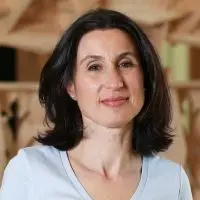
Mariapaola Riggio Professor | Wood Science and Engineering
Dr. Riggio holds a M.S. degree in Architecture from the University of Florence, and a Ph.D. in Engineering from the University of Trento, Italy. Prior to promotion, she was an Associate Professor in the WSE Department since 2020. Her work advances the use of wood in the built environment to enhance resource efficiency, durability, and building performance, while pioneering educational initiatives that bridge wood science, architecture, and engineering. A recognized global expert in timber building assessment and circular wood construction, her work integrates research and education to advance resource valorization, service-life extension, and circular material flows, for a sustainable and resilient future.
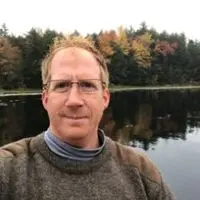
Dana Warren Professor | Forest Ecosystems and Society
Dr. Warren is an aquatic ecologist in the department of Forest Ecosystems and Society in the College of Forestry. His research explores stream ecosystems and aquatic biota across a range of land-uses and landscape disturbances including forest management, wildfire, and drought. His recent research in the Pacific Northwest has focused largely on forest-stream interactions and how changes in riparian environments can affect aquatic biota, food webs, and ecosystem processes. Dr. Warren teaches multiple graduate and undergraduate courses, and he actively mentors both graduate and undergraduate student research.

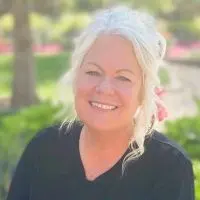
Barbara Brody Professor of Practice | Nutrition and Public Health
Barbara Brody serves as a Professor of Practice within the College of Health’s Extension Service. She provides regional leadership across Eastern Oregon, including Baker, Union, Grant, Umatilla, Morrow, and Wallowa counties. Her work applies a collective-impact model and a community-engaged approach to workforce development, chronic disease prevention, behavioral health promotion, and resilience across the lifespan. Serving rural and underserved communities facing geographic isolation, high poverty, and limited access to services, Barbara designs evidence-based, culturally responsive programs. Her scholarship emphasizes upstream prevention, social connection, trauma-informed practice, and health equity, strengthening protective factors and improving quality of life across rural Eastern Oregon.
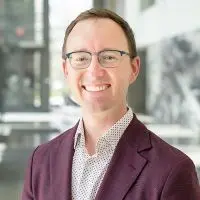
David Dallas Professor | Nutrition and Public Health
David Dallas received his BA in Public Health in 2008 from Rice University and his PhD in Nutritional Biology in 2012 from UC Davis. He then completed a post-doctoral fellowship at UC Davis in Food Science. Dr. Dallas joined Oregon State University as an Assistant Professor in Nutrition in 2015 and is currently a Professor in Nutrition and the Endowed Director of the Moore Family Center for Nutrition and Preventive Health. While at OSU, Dave has built a large research team of graduate students, post-doctoral fellows, research faculty and undergraduates; garnered over $20 million in external funding from an array of government, foundation and private funders; and conducted impactful research (>100 peer-reviewed journal articles and book chapters). Dave’s research is highly collaborative, including partners in Food Sciences, Bioengineering, Pediatrics, Microbiology, Chemistry, human milk banks and more than 20 industry partners. Dave's research examines human and dairy milk proteins, their survival across digestion and the release of bioactive peptides in infants and adults. Dave’s lab also works to identify novel processing techniques for human donor milk that better preserve their functional proteins.
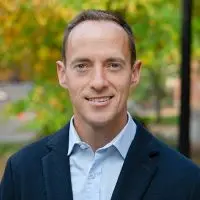
Sean Newsom Professor | Exercise, Sport, and Health Sciences
Dr. Newsom completed his doctoral training at the University of Michigan in the School of Kinesiology, and his postdoctoral training in the Department of Pediatrics and the Division of Endocrinology, Metabolism and Diabetes at the University of Colorado School of Medicine. He joined the faculty in the College of Health at Oregon State University in the summer of 2015.
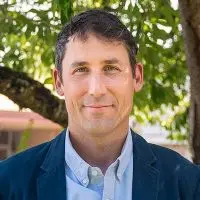
David Rothwell Professor | Human Development and Family Sciences
David Rothwell is the Barbara Knudson Endowed Chair in Family Policy in the OSU School of Human Development and Family Sciences. His research examines the economic well-being of children and families, focusing on poverty measurement, safety net policies, and how families balance work and care. He leads the Family Policy Group and directs the OSU University Legislative Scholars Program and Family Impact Seminar. His work informs policies that strengthen family stability and economic security.


Ray Malewitz Professor | Writing, Literature, and Film
Raymond Malewitz works in the fields of literature and science, environmental literature, and American Literature in the School of Writing, Literature, and Film. He is the author of two books: The Practice of Misuse (Stanford, 2014) and Animal Illness and the Literary Imagination (Cambridge, 2025). He is also the managing editor of popular OSU Guide to Literary Terms web series. He received his Ph.D. in English Literature from the University of Virginia and his B.S. in English and Biochemistry from the University of Michigan.
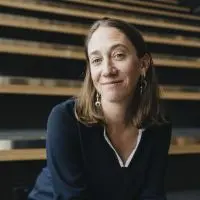
Elizabeth Marino Professor | Language, Culture, and Society, OSU-Cascades
Elizabeth Marino is the associate dean for academic affairs and an associate professor of anthropology and sustainability at Oregon State University - Cascades. She is interested in the relationships among climate change, vulnerability, slow and rapid onset disasters, human migration, and sense of place. Her research focuses on how historically and socially constructed vulnerabilities interact with climate change and disasters – including disaster policy, biophysical outcomes of disasters and climate change, and disaster discourses. She is also interested in how people make sense and meaning out of changing environmental and social conditions; and how people interpret risk.
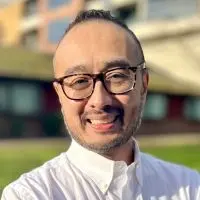
Christopher Sanchez Professor | Psychological Science
Dr. Christopher Sanchez joined the School of Psychological Science at Oregon State University in 2012. His research spans areas of psychology, education, and engineering, and focuses specifically on how humans design, learn from, and use advanced technologies to produce complex behaviors and performance. He holds a Ph.D. in Cognitive Psychology (2006) from the University of Illinois at Chicago.
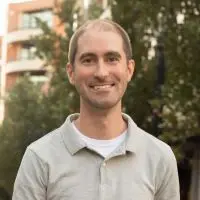
Paul Thompson Professor | Public Policy
Dr. Paul Thompson is an economist in the School of Public Policy. His research focuses on using quasi-experiments to understand critical policy issues in education and local public service provision. He is a leading researcher on the effects of the four-day school week and a member of the Four-Day School Week Policy research team here at OSU. He holds a Ph.D. in Economics from Michigan State University and a B.A. in Economics from the College of Wooster.
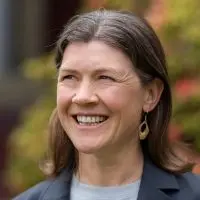
Emily Yates-Doerr Professor | Language, Culture, and Society
Emily Yates-Doerr is a Professor of Anthropology at Oregon State University. Her research examines how scientific expertise intersects with everyday life and how knowledge circulates across cultural divides. Her recent book, Mal-Nutrition: Maternal Health Science and the Reproduction of Harm (2025), recipient of the Rachel Carson, Diana Forsythe, and Eileen Basker Awards, traces how industrial food production disrupts social relationships and agrarian practices. She has secured major research funding, including a €1.5M European Research Council grant. Beyond 50 peer-reviewed publications, her writing appears in Ms. Magazine, Literary Hub, and The Oregonian, bringing scholarly insights to public conversations.

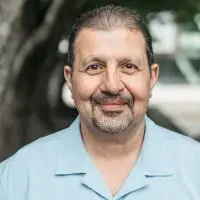
Adam Alani Professor | Pharmaceutical Sciences
Adam Alani, PhD, is a tenured Professor at Oregon State University's College of Pharmacy. With a background in chemistry and a PhD in Pharmaceutical Sciences from the University of Wisconsin–Madison, his research centers on innovative drug-delivery systems that combine imaging, diagnostics, and targeted therapies to meet unmet clinical needs. He has authored over 44 peer-reviewed papers, holds 3 patents, and has garnered over 6,000 citations. Dr. Alani has received multiple NIH awards, Department of Defense grants, and industry funding, while also actively mentoring students and trainees at various levels.
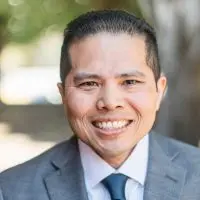
Conroy Sun Professor | Pharmaceutical Sciences
Dr. Conroy Sun is a pharmaceutical scientist focused on drug delivery and molecular imaging. He received his PhD in Materials Science & Engineering from the University of Washington and completed postdoctoral training in Medical Physics at Stanford University. Dr. Sun joined the faculty at Oregon State University in 2014 establishing an interdisciplinary research program on the Oregon Health & Science University campus in Portland. His work focused on developing innovative strategies to improve cancer care through the use of biomaterials and nanotechnology has been kindly supported by OSU and NIH awards, such as the Valley Biohealth Fellowship and NIGMS Maximizing Investigators’ Research Award.

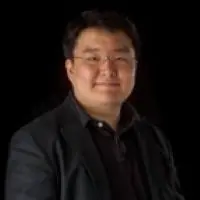
Paul Ha-Yeon Cheong Professor | Chemistry
When Paul was born in a small town in South Korea, it was his parent’s life-long dream for their child to be able to settle in the United States. He received his Ph.D. in Organic Chemistry from UCLA in 2007 under the tutelage of Professor K. N. Houk. After a brief stint as postdoc in the same lab, he started his independent career at Oregon State in 2009. In every part of his life, Paul always had great advisors around him who were accomplished professionally and were great mentors (Just to name a few: Professors Ellen E. Burns, Elizabeth Stemmler, and Faraj Hasanayn at Bowdoin College; Professor K. N. Houk at UCLA). In becoming a professor of chemistry, he found the perfect match between his love of research and his commitments to pay it forward to future generations. Paul’s scientific passion is in solving scientific mysteries by discovering and explaining fundamental and practical principles that underlie chemistry and nature. Towards this goal, his group applies state-of-the-art computational chemistry techniques and tools to a wide array of chemical mysteries. Paul is known for his walking meetings with people and his wide-ranging interests in science, history, and literature. In his spare time, he loves spending time with his family and friends.
.
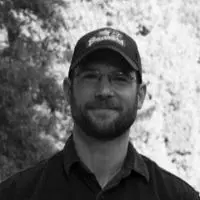
Mark Novak Professor | Integrative Biology
Mark Novak, Professor in Integrative Biology, studies how the interactions between species affect the structure and dynamics of ecological communities. His work combines mathematical theory with observational and experimental field approaches in an effort to advance the understanding and ecosystem-based management of species-rich communities. Primary topics of research include (i) developing methods for characterizing the strength and functional forms of species interactions, (ii) understanding the influence of direct and indirect effects in complex interaction networks, and (iii) quantifying patterns of individual diet specialization within populations of generalist predators to understand its consequences at the population and community level. Mark received his B.A. from Cornell University and his Ph.D. from the University of Chicago.
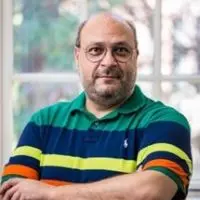
Kyriakos Stylianou Professor | Chemistry
Kyriakos Stylianou, originally from Larnaca, Cyprus, is a materials chemist whose career spans Greece, the United Kingdom, Spain, Switzerland, and the United States. After graduating at the top of his class from the University of Ioannina, he earned a Ph.D. in materials chemistry from the University of Liverpool, focusing on the rational design of metal–organic frameworks (MOFs). He then received a prestigious Marie Curie Fellowship to work at ICN2 in Barcelona, where he advanced MOF-on-surface chemistry, followed by leading his own research team at EPFL in Switzerland on MOFs for carbon capture and photocatalysis. Since joining Oregon State University in 2019, he has directed the Materials Discovery Laboratory (MaD Lab), where his group investigates molecular-level interactions in MOFs to drive innovations in CO2 capture and conversion, photocatalysis, sensing, and biomedical applications.